


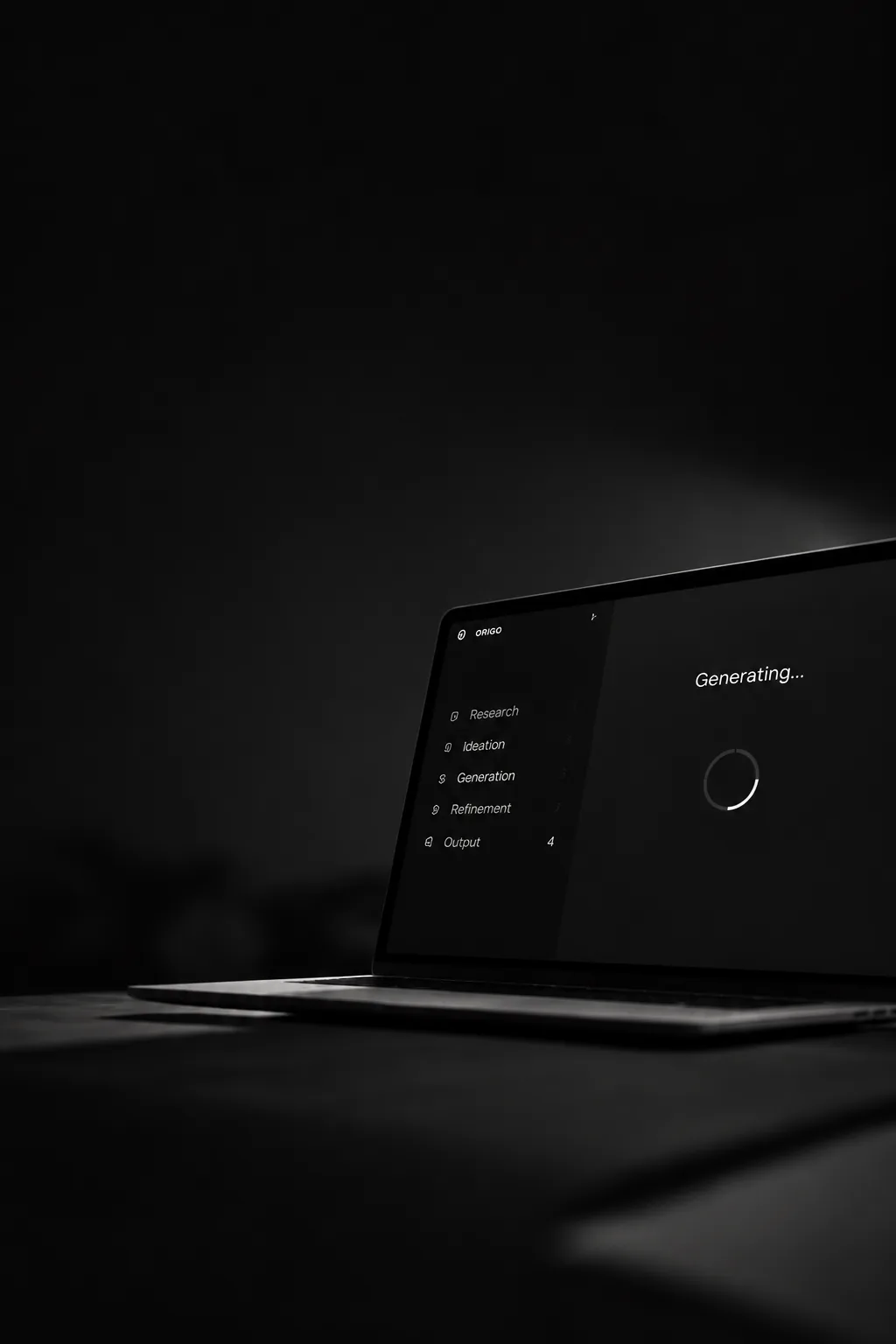



International founders run smooth weekly reviews with a branding agency in India by pairing short recorded video walkthroughs with one scheduled live checkpoint each week. This combination protects your calendar, respects working hours across time zones, and keeps creative decisions moving steadily through every stage of your brand build without friction.
Working with an overseas studio should never mean waiting blindly for a large reveal or losing sleep over late-night calls. When managed with clear communication habits, cross-border design sprints can feel tighter, faster, and more focused than working with a local agency down the street.
Section 01
Setting the rhythm between asynchronous work and live calls
Most project delays happen when teams try to discuss everything in live meetings. Founders run busy schedules, managing hiring, product launches, and investor updates. If every color choice, font pairing, and layout revision requires a live call, your branding project quickly stalls.
Instead, the most productive founder relationships rely on an asynchronous-first rhythm. During the working week, we record five-minute video walkthroughs of work in progress, share Figma files with specific comment prompts, and post brief status summaries. You can review these updates on your own time, whether that is early morning over coffee or in transit between your operational meetings.
This setup shifts the live weekly review from an open-ended presentation into a decision checkpoint. When we meet on a live call, you have already seen the assets and understood the design logic. The call exists solely to resolve questions, confirm strategic trade-offs, and approve next steps.
Section 02
How do time zone differences work with a branding agency in India?
India Standard Time sits conveniently between Western Europe, the Middle East, Southeast Asia, and the Americas. Because our studio operates from Umargam in western India, our working day begins while clients in the Americas are resting and winds down just as their morning opens up.
For founders in London, Berlin, or Dubai, there is extensive business-hour overlap throughout the afternoon. For founders in New York, Austin, or San Francisco, the overlap happens during the founder's morning and the agency's evening. We schedule all live reviews during these natural overlap windows so neither party is forced to meet at unreasonable hours.
This geographical setup also creates an overnight production cycle. When you leave consolidated feedback at the end of your workday in North America, our creative team reviews it, executes revisions, and posts updated work before you wake up the next morning. What could take days of back-and-forth in a single time zone gets resolved in a single rotation of the sun.
Section 03
What should you cover in a 30-minute weekly review?

To keep weekly reviews tight and productive, we structure calls to last thirty minutes. An effective review does not look at every design file. It focuses on strategic direction, alignment with business goals, and critical decisions.
Here is the exact structure that works best for our weekly live calls:
- Five minutes to recap progress against the timeline and establish call priorities.
- Ten minutes to discuss strategic questions raised in the asynchronous walkthrough.
- Ten minutes to make decisions on revisions, copy direction, or architectural choices.
- Five minutes to confirm action items, ownership, and deliverables for the following week.
Sticking to this agenda prevents scope creep and keeps your review grounded in commercial outcomes rather than open-ended debates. When everyone enters the call knowing the four milestones to cover, conversations remain direct, cordial, and decisive.
Section 04
Structuring feedback so your design team stays focused
One common frustration founders face when managing an external creative studio is fragmented feedback. Sending three separate messages across chat apps, an email update, and inline document comments scatters direction and leads to conflicting interpretations.
To get the best work from your brand partner, channel all feedback into one central document or canvas before the weekly review. Gather your team's thoughts, resolve internal disagreements first, and present a single perspective. For instance, instead of saying you dislike a layout, explain why it might confuse your target buyer or fail to reflect your product positioning.
We have applied this exact feedback process across diverse industries, from lighting and copper manufacturing to precision optics and fine pens. Across projects like Star Copper, Changi Lighting, Stex Pens, Dunhan, Star Exim, and Astro Optical, our clearest work emerged when client leadership tied feedback directly to their operational realities. You can view examples of these identities and digital platforms across our selected client projects.
Section 05
How our five-stage framework keeps reviews predictable
Creative projects derail when clients and agencies lack a shared vocabulary for where they stand in the process. At House of Origo, we use a disciplined five-stage framework that defines exactly what gets reviewed at each point:
- Discovery: We explore your origins, your competitive space, and your core audiences. Reviews here focus on market truth and commercial positioning.
- Definition: We lock the brand narrative, core values, and strategic pillars. Reviews center on messaging frameworks and target tone.
- Direction: We explore visual systems, color, typography, and mood. Reviews here decide the visual aesthetic that will carry the identity forward.
- Architecture: We build the tangible touchpoints, from packaging and design collateral to digital interfaces. A typical website takes two to four weeks from kickoff, and reviews focus on user flow and visual balance.
- Alignment: We finalize brand guidelines, asset handoffs, and production files to ensure your internal teams can run the brand independently.
Because each stage has distinct boundaries, you never have to re-litigate foundational decisions during the design phase. To see how these stages come together across identity, websites, and marketing collateral, explore our brand strategy and design studio.
Beyond brand identity, we also build automated customer workflows and intelligent marketing systems through origo.automation, while our third house, origo.editions, is opening soon. Having clear frameworks across both creative and technical fronts ensures your operational tools mirror your brand standards seamlessly.
Section 06
Questions founders ask
How many live calls do we need each week?
One live 30-minute call per week is sufficient for almost every branding engagement. Mid-week questions, asset updates, and design previews are handled asynchronously using video walkthroughs and collaborative design files, leaving live meetings reserved for major directional approvals.
What tools work best for asynchronous review?
We rely on Figma for visual design feedback, cloud-based project boards for timeline tracking, and short recorded videos for presenting design rationale. These tools allow your team to leave contextual comments directly on specific screens or brand components whenever your schedule allows.
What happens if an urgent question comes up between reviews?
Urgent questions are handled through asynchronous project channels within standard working windows. If a decision requires a real-time discussion before the next regular review, we set up a brief ten-minute checkpoint during our daily overlap window.
If you are planning a rebrand, a new website, or a global brand launch, schedule a 15-minute call with our team or reach out through our contact page to review your project timeline and requirements.