


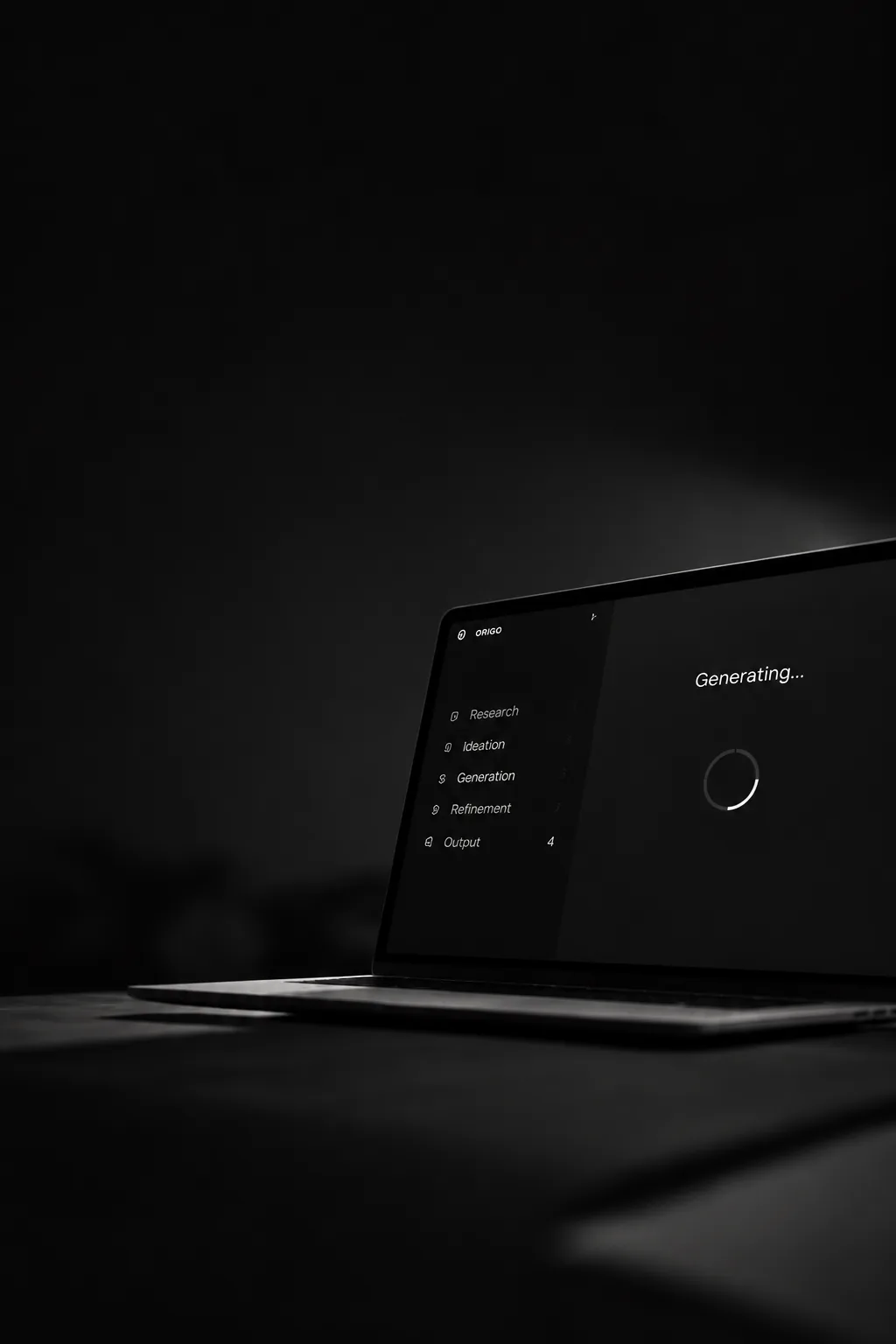



A dedicated brand strategy and website studio plans, designs, and builds an integrated digital presence in four weeks by uniting positioning with execution. Instead of treating identity and development as separate handoffs, an integrated team runs discovery, messaging, interface design, and deployment concurrently to launch a cohesive commercial site on a strict schedule.
When founders attempt to build a new web presence, they often hire a branding consultant first, wait months for guidelines, and then hand those assets to an external web development agency. This split workflow creates friction. The developers question the practicality of the design files, the copywriters struggle to write for wireframes they did not shape, and the launch timeline drifts into quarters rather than weeks. Working with a unified team eliminates this disconnection.
Section 01
Why fragmented creative handoffs delay launches
Traditional digital builds stall because strategy and production sit in silos. A freelance strategist might craft exceptional positioning notes, but if they do not understand layout grids, CMS architecture, or responsive performance, their recommendations remain theoretical. When a web agency finally receives the brief, they often spend billable weeks translating abstract identity decks into practical user journeys.
This gap is where momentum disappears. Feedback loops multiply because three different vendors must debate whether a headline belongs above the fold or how an interactive element should behave. Every revision passes between multiple email threads and conflicting project boards.
An integrated studio solves this structural issue by treating the brand and the website as a single product. Strategy informs the structure of the pages, while technical requirements ground the strategic choices. When the team defining your value proposition is also writing the code and setting up the analytics, decisions happen in hours instead of weeks.
Section 02
How does a brand strategy and website studio structure four weeks?
Four weeks is an aggressive but realistic timeline for a custom commercial website when the project scope is clearly defined from the start. We avoid long discovery phases that produce fifty-page presentations nobody reads. Instead, our studio uses an operational framework that transitions through five clear stages:
- Discovery: mapping your market position, operational realities, and commercial objectives
- Definition: crafting your core narrative, page messaging, and content outlines
- Direction: establishing visual identity, typography systems, and interface art direction
- Architecture: building component wireframes, technical systems, and responsive layouts
- Alignment: conducting quality assurance, workflow integration, and official deployment
This sequence ensures that every day has a concrete deliverable. By frontloading strategic choices, we eliminate mid-project redesigns that derail delivery schedules.
Section 03
Week 1: Discovery and definition establish the foundation

Every project begins with a 15-minute introductory call to confirm mutual fit, clarify immediate business milestones, and define the exact scope of the website. Once underway, the first week focuses on understanding who you serve, what problems you solve, and what makes your approach distinct. We look at your competitors, operational strengths, and the technical requirements of your buyers.
In our studio work, which includes client projects across manufacturing, lighting, and precision goods, we find that industrial and business-to-business founders often have deep operational knowledge that has never been translated into clear web copy. We extract those insights through focused interviews rather than open-ended questionnaires.
By the end of week one, the definition stage delivers complete page copy frameworks and structural sitemaps. Rather than presenting generic placeholder text, we write draft content that addresses buyer questions directly. You review and approve the commercial narrative before any visual styling begins. This discipline prevents the common trap of designing layouts that break the moment real business copy is inserted.
Section 04
Week 2: Direction and architecture turn strategy into visuals
With positioning established, week two bridges the gap between identity and user interface design. This is where origo.studios develops the visual direction, selecting typography, color palettes, spacing systems, and photography guidelines that reflect your company's character.
At the same time, we build the wireframe architecture. Because the copy is already approved, wireframes are designed around real headings, factual technical specifications, and clear calls to action. We establish how complex services or physical products should be displayed to build trust quickly.
By running visual identity and layout design together, we produce interactive prototypes rather than static art boards. You see how navigation functions, how mobile layouts reflow, and how visual elements react to user input. Feedback during week two is concentrated on usability, visual hierarchy, and brand tone. Once these screens are signed off, design changes are locked so development can proceed without interruptions.
Section 05
Week 3: Alignment, production, and technical development
Week three moves the approved designs into clean, responsive production code. Whether deploying on modern web engines, headless systems, or custom platforms, our development focuses on performance, clean markup, and search engine accessibility.
This stage also incorporates operational workflows. A modern company website cannot simply be an online brochure; it must connect directly to your daily tools. Through our work in marketing and automation, we connect form submissions to your customer relationship management platforms, configure transactional email notifications, and set up automated lead notifications.
While development takes place, our team conducts asset optimization. Product images, technical diagrams, and editorial assets are compressed and formatted for rapid loading across mobile networks. By building with modular components, we ensure that your internal team can publish new case studies or journal updates after launch without needing engineering support for basic page creation.
Section 06
Week 4: Final testing, integration, and launch
Week four is dedicated to rigorous technical alignment and quality assurance. We test browser compatibility across desktop and mobile devices, audit page loading speeds, verify form endpoints, and confirm that all metadata and open graph tags are correctly implemented.
We also perform tracking audits. Analytics tags, conversion events, and domain records are verified in production staging environments before changing DNS pointers. We verify that 301 redirects are in place if the new site replaces an older domain structure, protecting existing search rankings.
When you approve the final staging build, we initiate domain propagation, run live post-launch tests, and hand over access credentials alongside practical video documentation. By Friday of week four, your new brand identity and digital presence are live, functional, and ready to receive commercial traffic.
Section 07
What slows down an integrated studio build?
A four-week turnaround requires discipline from both the studio and the client team. The most common cause of delay is stakeholder availability for scheduled milestone reviews. When feedback requires several layers of committee approval, a single day of hesitation can shift the launch schedule by a week.
Another frequent bottleneck is asset collection. If high-resolution photography, technical specification sheets, or third-party platform credentials are not ready during the first two weeks, development slows down. When you partner with our integrated branding and web design services, we provide a clear checklist of required assets on day one so that administrative delays never compromise the deployment timeline.
Section 08
Questions founders ask
Can brand strategy and web design really happen at the same time?
Yes, provided the team operates within an integrated workflow. Strategy defines the user persona, value proposition, and messaging priority, while design immediately gives those concepts physical structure. Working on both together prevents the strategic plan from drifting away from practical technical execution.
What do we need to prepare before the project kick-off?
You only need an understanding of your business goals, access to your existing domain or hosting accounts, and any existing brand assets or photography you plan to retain. We guide the discovery process through targeted conversations to build your sitemap, positioning, and content architecture from the ground up.
How do we maintain the website after it goes live?
We build on flexible, intuitive content management systems and provide custom documentation for your team. You can easily add articles, update service details, and edit text internally, while our studio remains available for advanced technical expansions or automated workflow integrations.
If you are planning to update your identity or launch a new digital presence on a clear schedule, review your upcoming milestones and consider booking a 15-minute introductory call to map out your four-week launch plan.